The Evolution of Laser Tag: From 80s Sci-Fi to Modern Fun
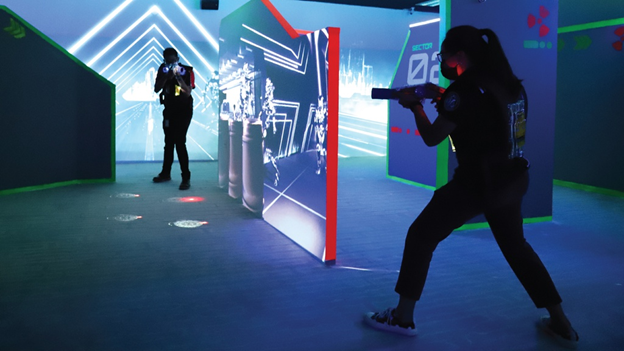
The short version: Laser tag started in the foggy, neon-soaked arcades of the 1980s, evolved into themed mazes in the 90s, gained digital scoreboards and wild themes in the 2000s, and today mixes augmented reality, haptic vests, and even esports energy. Why has it lasted? Because it's active, social, and lets everyone play sci-fi hero. Here's the full story—plus how to bring that same thrill to your next party in Montreal.
Imagine it's 1984, and you're stepping into a dark, foggy room that smells like arcade carpet and cheap fog-machine juice. Neon socks hug your feet, and you're clutching a clunky plastic gun that shoots light. The walls glow with tacky alien murals, and you're ready to live out a Star Wars fantasy. That was laser tag in its glory days. Fast-forward to today, and you're diving into arenas that feel like video games come to life.
Buckle up for a trip through time to see how laser tag became a heart-pounding mix of tech, teamwork, and pure chaos—and why it's still a favourite for birthday parties, school events, and corporate outings across Quebec.
The 80s: The Beginning of the Sci-Fi Adventure
Back in the 80s, sci-fi was everywhere. People watched Tron and Blade Runner on repeat, dreaming of being space heroes. In 1984, a man named George Carter III opened the first laser tag arena in Dallas, called Photon—and players were instantly hooked.
Here's the scene:
- You navigated a maze of blacklit walls, fog swirling so thick it was hard to see.
- Your heavy vest lit up like a piñata when someone zapped you.
- You aimed your phaser (way cooler than calling it a gun), firing infrared beams that made your opponent's vest flash and buzz.
You'd dive behind barriers, channeling your inner Luke Skywalker. It felt unreal.
Then, in '86, Worlds of Wonder released Lazer Tag, letting kids turn their backyards into battlefields. You'd chase friends, dodge behind trees, and yell when the sensors didn't register your perfect shot. The kits were finicky, and you had to be practically point-blank sometimes—but nobody cared. You were starring in your own sci-fi flick, complete with cheesy sound effects.
The 90s: Sneaking Through Mazes
By the 90s, the initial buzz faded and some arenas like Photon closed—running those systems wasn't cheap. But laser tag wasn't done. New spots like Laser Quest and Q-Zar popped up, and they were next-level.
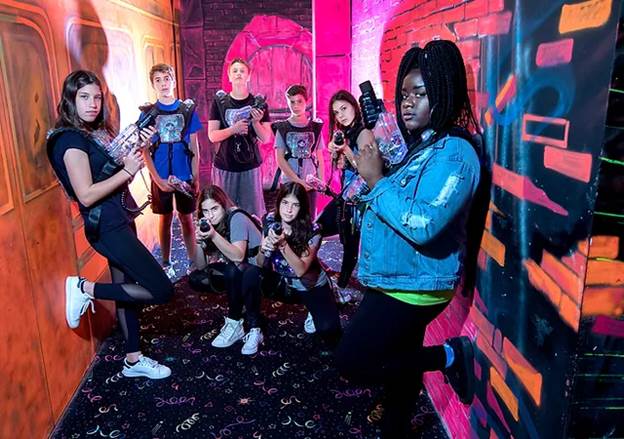
You weren't just running through a room anymore; you were creeping through multi-level mazes with sniper perches and secret tunnels, plotting moves and tossing playful trash talk at your friends. The gear improved, too:
- Vests got lighter and guns actually hit what you aimed at.
- Scoreboards tracked who was the sneakiest or most trigger-happy.
- Arenas had themes—alien hives, dystopian bunkers—that made you feel like you were on a real mission.
It became a social scene: birthday parties, awkward first dates, even corporate team-building. Leagues formed, and suddenly you were memorizing arena layouts to claim the title of laser champ. Nerdy, intense, and completely addictive.
The 2000s: The Epic Showdown
In the 2000s, laser tag surged in popularity as technology raced ahead. You weren't checking a basic scoreboard anymore; you had:
- Digital screens with game modes like capture-the-flag or zombie mode.
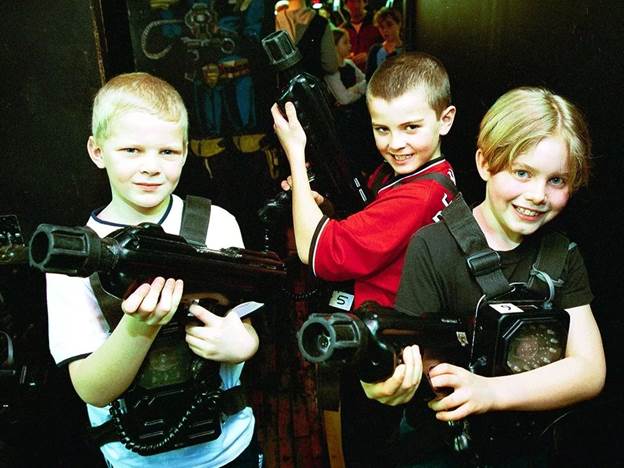
- Vests with sensors all over—chest, back, shoulders—so every move counted.
- Guns that switched between rapid-fire blasts and slow, satisfying sniper shots.
You'd duck behind moving walls, dodging sound effects that made it feel like a spaceship was about to crash. Some arenas even had control panels you could "hack" to disable opponents' guns for a few seconds—pure chaos.
Laser tag went global, too: anime-inspired arenas in Japan, tactical military vibes in Europe, cinematic spectacles in North America. Players swapped tips on early internet forums and joined tournaments where the stakes felt real. It was starting to feel like esports before esports was a household word.
Today: Living a Sci-Fi Blockbuster
Modern laser tag is absolutely bonkers. Step into an arena and it feels like a movie set:
- Augmented reality: Slip on an AR headset and holographic aliens leap out while virtual power-ups glow on the floor. It's a video game—but you're actually sprinting.
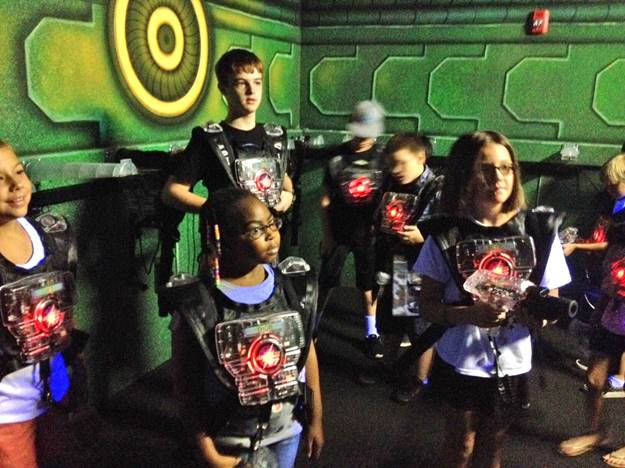
- Smarter gear: Vests buzz with haptic feedback when you're hit. Guns have screens for stats and mode switches. Some systems use RFID to greet you by name.
- Living arenas: Moving walls, floors that light up, interactive props—one California venue even "shakes" like a failing spaceship when you're losing.
- Esports energy: Pro teams strategize like tactical-shooter squads, streaming matches to fans online.
- Play anywhere: Portable systems let you battle in parks and backyards, with GPS-powered outdoor games for massive open-field matches.
- Fun for everyone: Kid-friendly modes, adaptive gear for players with disabilities, and retro options for old-school charm.
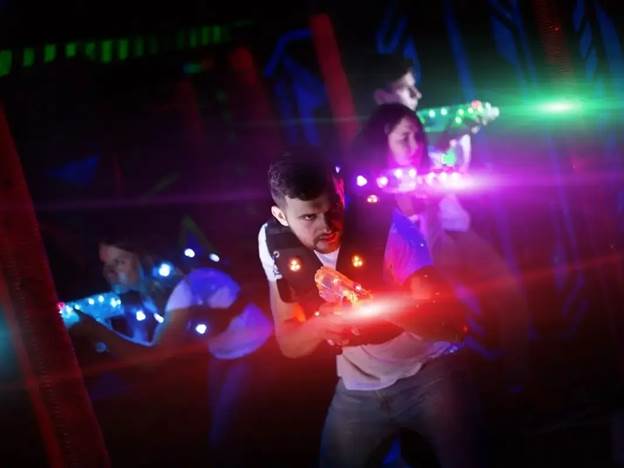
Why Laser Tag Never Gets Old
Why does laser tag stay so popular? Because it's pure, unfiltered fun. Unlike paintball, you're not nursing bruises. Unlike video games, you're not glued to a screen. You're moving, laughing, and living out sci-fi fantasies with your crew.
That "active + social + a little bit silly" formula is exactly what makes a great party. And it's the same recipe behind so many of the games we love here in Quebec—the kind that get kids and grown-ups off the couch and cheering each other on.
Bringing That Same Energy to Your Montreal Event
Not every backyard bash or school field day needs a full laser-tag arena to capture that thrill. If you're planning a party in Montreal, Laval, or on the North or South Shore, you can build the same active, story-driven excitement with rentals that get everyone moving:
- Inflatable obstacle courses channel that "sneak through the maze, race to the finish" energy—perfect for competitive squads of all ages.
- Bouncy castles give younger kids a high-energy zone to burn off steam while the older crew takes on the games.
- Interactive and carnival games bring the scoreboard-style, beat-your-best-friend fun of an arena to your driveway, park, or gym.
- Water slides add a summer-day twist for outdoor events during Quebec's warm months.
Mix and match a few of these, add some friendly rules, and you've got the sweaty, laughing, "let's play one more round" atmosphere that made laser tag legendary—right in your own backyard.
What's Next for Laser Tag?
Picture full VR arenas where you battle on the surface of Mars, or AI game modes that shift based on how you play, keeping every match fresh. Some venues are blending laser tag with escape rooms and fitness challenges. Whatever's coming, one thing's clear: the appeal of active, social, story-driven play isn't going anywhere.
From scrappy 80s mazes to today's high-tech playgrounds, the goal has always been the same—making memories you'll laugh about for years.
Ready to bring that same spark to your next birthday, school day, or company gathering? Reach out to Cool Games for a friendly quote and let's build an event your crew won't stop talking about.
<<
Frequently asked questions
How can I recreate the laser tag experience for a kids' party in Montreal without an arena?
You can capture the same active, story-driven thrill with rentals that get everyone moving, like inflatable obstacle courses that mimic sneaking through a maze and racing to the finish, plus interactive and carnival games for scoreboard-style competition. Cool Games rents and sets up this kind of equipment across Montreal, Laval and the North and South Shore.
What's the difference between laser tag and paintball for a party?
Unlike paintball, laser tag doesn't leave you with bruises since it uses infrared beams rather than physical pellets, making it a gentler, more accessible option. Both share that active, social, competitive energy, which you can also recreate with inflatable obstacle courses and interactive games.
Which inflatable rentals best mimic laser tag energy for older kids and adults?
Inflatable obstacle courses work well for competitive squads of all ages, channeling that maze-and-race excitement, while interactive and carnival games bring the beat-your-friend scoreboard fun. Cool Games delivers and sets these up for birthdays, school events and corporate gatherings across greater Montreal and Quebec.
Are there outdoor game options for a summer event in Quebec?
Yes, water slides add a refreshing summer twist for outdoor events during Quebec's warm months, and you can mix them with bouncy castles and interactive games for a full active day. Cool Games offers these rentals with delivery and setup throughout the Montreal region.