


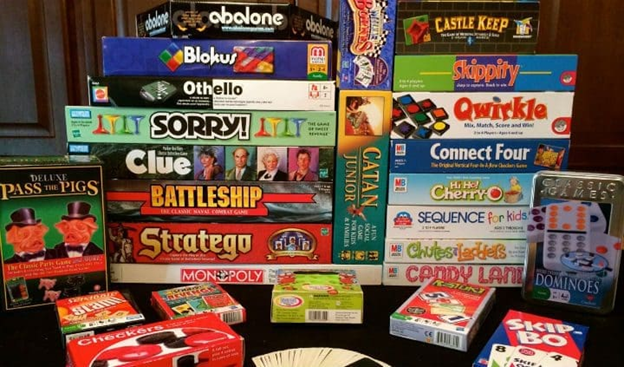
How to Make Classic Games Feel Brand New Again


TLDR:
Classic games like tag, hide-and-seek, Monopoly, Uno, and Charades are timeless, fostering fun and connection. To keep them fresh, add creative twists: try animal-themed tag, glow-in-the-dark hide-and-seek, event cards in Monopoly, dares in Uno, or themed Charades.
Use props, technology like apps, or new rules to enhance outdoor, board, card, and party games. These updates promote physical activity, cognitive skills, and social bonds while being budget-friendly and inclusive. Experiment with one twist at a time to make game nights unforgettable for all ages.
How to Make Classic Games Feel Brand New Again
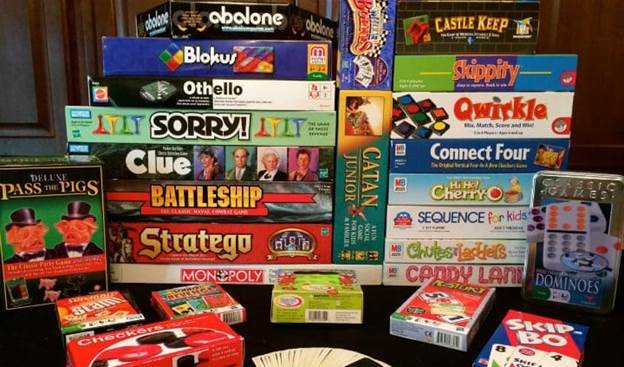
There’s something truly magical about classic games. Whether it’s the thrill of chasing friends in a game of tag, the suspense of hiding during hide-and-seek, the strategic battles in Monopoly, or the quick thinking required in Uno, these games have stood the test of time for a reason.
They bring people together, spark laughter, and create lasting memories. I still recall summer evenings in my childhood backyard, playing endless rounds of capture the flag until the sun went down, or rainy afternoons huddled around a table for a heated game of Scrabble. But let’s be honest, after playing the same way dozens of times, even the most beloved games can start to feel a little predictable. The excitement fades, and you might find yourself reaching for something new.
The beauty of classic games is that they’re incredibly adaptable. With a dash of creativity, you can transform them into fresh experiences that feel brand new. This guide is here to help you do just that.
We’ll explore ways to revive outdoor favorites like tag, hide-and-seek, and hopscotch; indoor staples such as Monopoly, Clue, and Charades; card games including Uno and Go Fish; and even party games like musical chairs or Simon Says.
Whether you’re a parent organizing family game nights, a teacher planning classroom activities, a host throwing a party, or just someone who enjoys casual fun with friends, these ideas will help you breathe new life into old favorites. We’ll cover themes, props, technology integrations, rule changes, and more, all while keeping things simple and accessible.
By the end, you’ll have plenty of inspiration to make your next game session unforgettable. Let’s get into it!
Why Revive Classic Games?
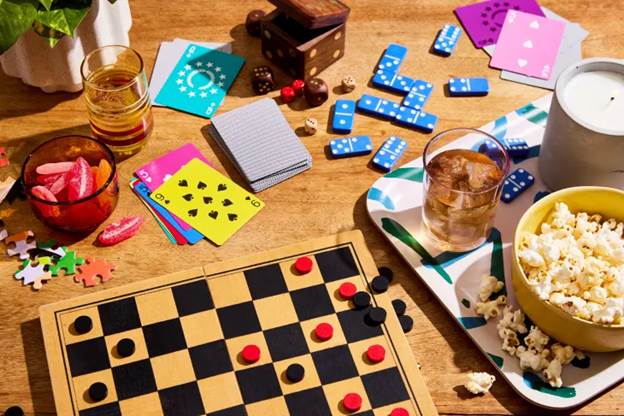
Before we dive into the how-to, let’s take a moment to appreciate why classic games are worth reviving. Games like tag have roots going back centuries—some historians trace it to ancient Roman times, where children played similar chasing games.
Hide-and-seek appears in folklore from around the world, symbolizing the universal joy of discovery and surprise. Board games such as Monopoly, invented in the early 1900s as a critique of capitalism, have evolved into family traditions that teach strategy and negotiation.
Card games like Uno, created in the 1970s, emphasize quick decisions and luck, while hopscotch, with its chalk-drawn grids, dates back to the Roman Empire and promotes physical coordination.
These games endure because they’re straightforward: no fancy equipment needed, easy to learn, and scalable for different group sizes. In today’s fast-paced world, dominated by screens and digital entertainment, reviving them offers real benefits. They encourage physical activity in outdoor games like tag or capture the flag, which can help combat sedentary lifestyles.
Indoor games like Clue or Scrabble boost cognitive skills, such as problem-solving and vocabulary building. Socially, they foster connections—think of the bonding over a game of Charades, where everyone’s mimicking silly actions and guessing wildly.
Moreover, adapting these games keeps them relevant. Children today might prefer video games, but a twisted version of hide-and-seek with glow sticks can compete with any app. For adults, a themed Monopoly night can turn a mundane evening into a memorable event. Reviving classics also promotes sustainability; instead of buying new toys, you’re repurposing what you already have or using everyday items.
Plus, it’s budget-friendly; most ideas here cost little to nothing. Emotionally, these games can evoke nostalgia while creating new stories. Imagine your kids telling their own children about the “epic zombie tag” game you invented. So, let’s explore how to make that happen.
Refreshing Outdoor Games: From Tag to Hopscotch
Outdoor games are perfect for getting everyone moving, and with a few tweaks, they can feel like entirely new adventures. Let’s start with tag, one of the simplest yet most versatile games. Traditionally, one person is “it” and chases others to tag them. To make it fresh, introduce themes.
For example, play “animal tag,” where players must move like specific animals—crawl like a crab or hop like a frog. making it harder to escape. Or try “shadow tag,” where you tag someone’s shadow instead of their body, ideal for sunny days. This adds a layer of strategy, as players position themselves to avoid casting long shadows.
Hide-and-seek is another classic that thrives on variation. The basic rule is that one seeker counts while others hide, which can be enhanced with props. Use flashlights for a nighttime “ghost hide-and-seek,” where hiders can make eerie noises to mislead the seeker.
Or incorporate technology: give hiders a phone app that plays random sounds at intervals, adding unpredictability. For larger groups, try “sardines,” a reverse version where one person hides, and finders join them until everyone’s crammed into one spot. This builds camaraderie and often leads to hilarious squeezes.
Capture the flag combines strategy and speed, with teams guarding their flag while trying to steal the opponent’s. To reinvent it, add multiple flags or “power-ups” like water balloons that can “freeze” opponents temporarily.
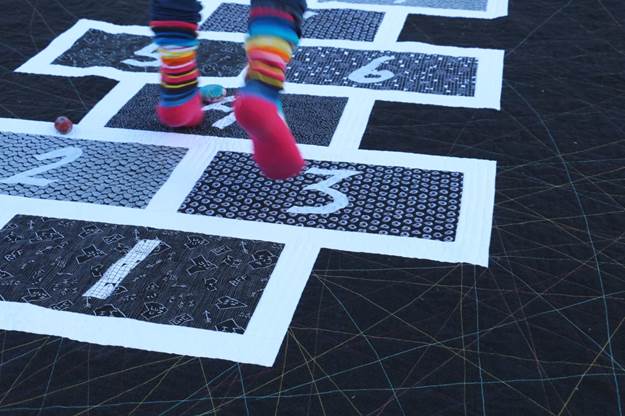
Play it in the dark with glow-in-the-dark flags for a thrilling twist. Hopscotch, often overlooked, can be revamped by drawing elaborate grids with themes—number the squares with math problems to solve before hopping, or add colors where landing on red means singing a song.
These changes not only refresh the game but also incorporate learning elements, like basic arithmetic in hopscotch or teamwork in capture the flag.
For safety and inclusivity, always set clear boundaries in outdoor games to prevent accidents. Adjust rules for different ages; for instance, in tag, give younger players a head start. If weather’s an issue, adapt these for indoor spaces, like hallway hopscotch with tape. Experimenting with these ideas can turn a park outing into an event everyone talks about for weeks.
Revitalizing Board Games: Monopoly, Clue, and Beyond
Board games like Monopoly and Clue are indoor favorites that can gather dust if played repetitively. Monopoly, with its property buying and bankrupting opponents, can drag on for hours. To speed it up and add excitement, introduce “event cards” you create yourself—slips of paper with surprises like “double rent for one turn” or “trade properties with a neighbor.” Theme it around your group: for a family, use custom properties named after family vacations; for friends, base it on inside jokes. This personalization makes the game feel unique each time.
Clue, the mystery-solving game, shines with role-playing. Assign characters real personalities; make Colonel Mustard a bumbling detective who speaks in rhymes. Add a timer for accusations to heighten tension, or use a companion app for digital clues that pop up randomly. Scrabble, the word-building classic, can be themed too: restrict words to categories like movies or animals, forcing creative thinking. Or play “speed Scrabble,” where players build words simultaneously without turns, racing against a clock.
Other board games like Sorry! or Chutes and Ladders can be updated similarly. In Sorry!, add “alliance” rules where players team up temporarily. For Chutes and Ladders, redraw the board with custom chutes (penalties) and ladders (rewards) based on real-life scenarios, like “helped a friend: climb up” or “forgot homework: slide down.” These modifications keep the core intact while injecting novelty. If you’re short on time, opt for shorter variants—end Monopoly after acquiring a set number of properties. For larger groups, combine boards; imagine a mega-game merging Monopoly and Clue, where solving mysteries earns in-game money.
Storing custom rules in a notebook ensures you can revisit favorites. Board games also lend themselves to tournaments: host a “Clue championship” with prizes, turning a single game into an event. This approach not only revives the games but also strengthens relationships through shared creativity.
Spicing Up Card Games: Uno, Go Fish, and More
Card games are portable and quick, making them ideal for travel or impromptu fun. Uno, with its color-matching and special cards, can feel routine. Refresh it by adding house rules: when someone plays a “draw four,” the victim must do a dare, like standing on one foot for the next round. Or theme the cards; assign stories to numbers, so playing a seven means sharing a fun fact. Go Fish, the matching game, evolves with “themed fishing”: ask for cards by describing them poetically, like “Do you have any graceful queens?” This encourages vocabulary and laughter.
Poker or War can be twisted, too. In War, add multipliers where face cards double the stakes. For a group, try “exploding kittens”-style additions (without the actual game), where certain cards trigger events like swapping hands. Bridge or Hearts benefit from partnerships with secret signals, adding intrigue. If you have multiple decks, mix them for hybrid games—use Uno cards in a Go Fish setup for wild results.
Technology fits here seamlessly: apps can shuffle digital cards or add random events. But keep it balanced; the charm of card games is their tactility. For kids, these variations teach adaptability; for adults, they add depth. Always explain new rules upfront to avoid confusion, and be flexible—if a twist isn’t working, revert to classics.
Party Games: Musical Chairs, Charades, and Simon Says

Party games like musical chairs bring energy to gatherings. Instead of plain chairs, use themed spots—stand on newspaper islands that “shrink” each round, simulating a sinking ship. Charades, the acting game, refreshes with categories: mimic movie scenes or historical figures. Add props like hats for characters, or use a phone for timed clues.
Simon Says thrives on absurdity: commands like “Simon says dance like a robot.” For larger parties, divide into teams for relay-style play. These games are great icebreakers; twist them for holidays, like Halloween Charades with spooky themes.
Integrating Technology
Technology can enhance without overpowering. AR apps for hide-and-seek add virtual elements; music apps for musical chairs curate playlists. Video recording captures moments for later viewing. Start small to ensure tech complements, not complicates.
Final Thoughts
Make games accessible: adapt for abilities, like seated tag. Address challenges by testing twists and listening to feedback. Start with one change per game.
Pick a game. For instance, tag, Monopoly, or Charades, and try a twist today. Host themed nights or join community events. Classic games, from hopscotch to Uno, offer endless potential. With creativity, they’ll feel brand new, fostering joy and connections for generations.