How to Dress Kids for Outdoor Play Once It Drops Below Zero
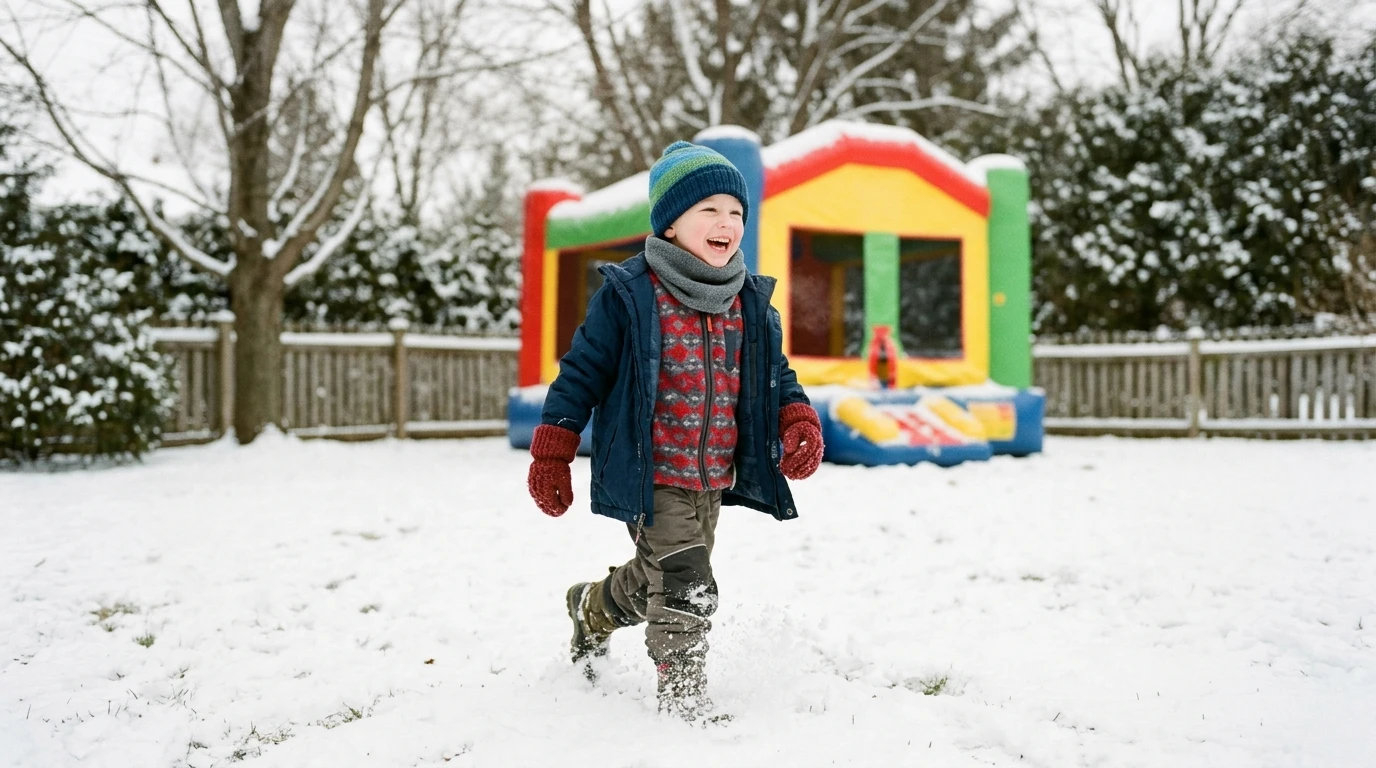
I've set up outdoor games at enough winter birthdays to know exactly what happens twenty minutes in. The five-year-old who showed up looking like the Michelin Man is now red-faced, sweating under three layers, mittens lost somewhere in the snow, and begging to go inside even though it's the warmest part of the day. Meanwhile, the kid next to him, wearing half as much, is still having a blast.
Here's the thing nobody tells parents: once the temperature drops below zero, piling on more clothes doesn't automatically make for a warmer kid. More often it makes a kid who overheats fast, sweats into their base layer, and then gets cold twice as quickly the moment they stop moving. I've watched this play out at enough outdoor events to stop guessing and start paying attention to what actually works.
Thicker isn't the goal. Removable is.
The mistake almost every parent makes is dressing for the walk to the car instead of for the actual activity. Kids at a party don't stand still. They're running through lawn games, climbing into inflatables, chasing each other around the yard. Active kids generate heat fast, and once they start sweating, that moisture sits against the skin and pulls warmth away the second they slow down. Damp kid, cold kid. It's the same principle Mayo Clinic's sports medicine team gives to adult winter athletes: dress to regulate, not to insulate against every possible gust of wind.
The system that actually works is three loose layers, not five tight ones:
A moisture-wicking base layer. Polyester, polypropylene, or wool against the skin. Skip cotton here entirely. It holds sweat instead of moving it away from the body.
An insulating middle layer. Fleece, wool, down, or a synthetic fill. This traps the warm air, and it's also the layer that should come off first if a kid starts overheating mid-game.
A windproof, water-resistant outer shell. This blocks wind chill and keeps snow from soaking through to the layers underneath.
The "loose" part matters just as much as the layering itself. Tight clothing compresses the air pockets that actually hold heat, so a snowsuit two sizes too snug is working against you. Health Canada's guidance on extreme cold makes the same point: loose layers you can add or shed as conditions change beat one heavy, fixed outfit every time.
If you're hosting an outdoor event where kids move between active games and standing around waiting their turn, this is exactly why we always build breathing room into the schedule. We've written before about reading the cold correctly and knowing when to shift a party indoors instead of just pushing through and hoping everyone stays comfortable.
Mittens beat gloves, every time
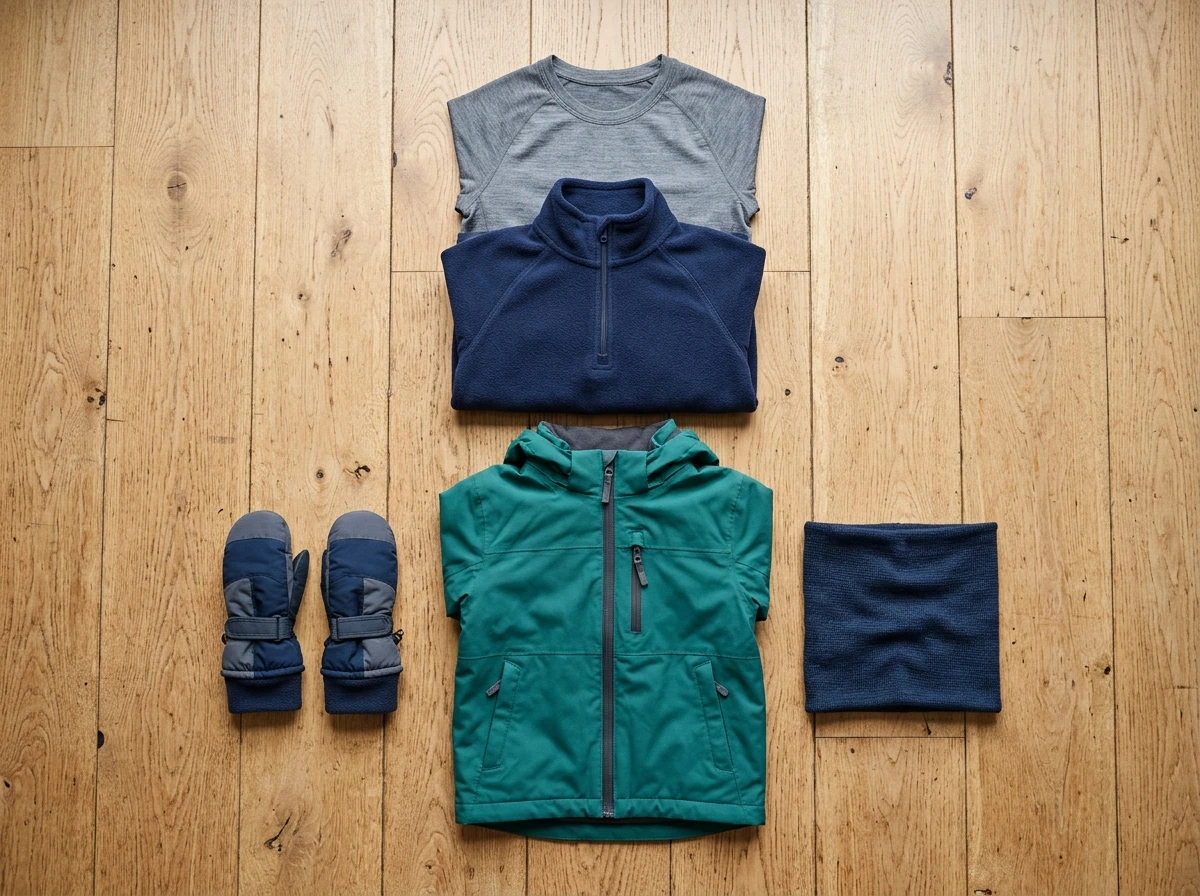
This one surprises parents constantly. Gloves look more practical because kids can still use their fingers, but mittens actually keep little hands warmer, since the fingers share body heat in one pocket instead of each finger losing heat on its own in a separate glove compartment. For anything under zero, mittens are just the smarter call, especially for younger kids who'll be grabbing snow, holding onto equipment, or gripping a bean bag during a lawn game.
If your child insists on gloves for dexterity, that's fine for short bursts, but keep a backup pair of mittens in your bag for anyone standing around between turns.
The boot mistake: tighter isn't safer
I see this one constantly. Parents put two pairs of socks on their kid to be extra careful, then jam those thick socks into boots that already fit snugly. The result is the opposite of what they intended. Compressed feet lose circulation, and less circulation means less warm blood reaching the toes, which means colder feet, not warmer ones.
The better move is one good pair of warm socks (wool or a wool blend, not cotton) inside boots that are insulated, waterproof, and roomy enough for toes to still wiggle. If you're buying boots for a growing kid, go a half size up rather than snug. That little bit of extra room does real work for circulation.
Skip the scarf. Grab a neck warmer instead
This is the one piece of advice I wish every parent heard before a winter party, because it's a safety issue, not just a comfort one. A loose scarf looks cozy, but on an active kid running through games, climbing, or playing near equipment, it's a strangulation risk if it catches on something. Canadian safety guidance is clear on this: neck warmers and tube-style scarves are the safer choice for kids during active outdoor play, since there's no loose fabric and no risk of the scarf tightening or getting snagged. It still covers the same amount of neck and keeps cold air off the collar. There's really no downside to switching, so if your kid's go-to is a traditional scarf, this is the easy swap to make before the next outdoor event.
Reading the temperature, not just the forecast
Most parents check the app, see minus 5, and figure it's fine, without checking the wind chill, which is honestly the number that matters more. The Cold Environments guidance from CCOHS puts temperatures between roughly minus 10 and minus 27 in the moderate-risk range for extended unprotected exposure. That means kids can absolutely play outside in that range, they just need the layering system above and regular breaks. Once wind chill drops into the minus 28 to minus 39 range, exposed skin can start to freeze in as little as 10 to 30 minutes, and that's when outdoor play needs to get a lot shorter and a lot more supervised, or move inside entirely.
If you're planning an outdoor birthday or a school event with games running through the winter, this is exactly the kind of threshold worth checking the morning of, not the night before. We've put together a longer list of backup options in our post on the best indoor play spots around Montreal for the days when the wind chill makes the call for you.
Know the warning signs, and don't panic if you see them
Most winter parties never get anywhere near frostbite or hypothermia territory, but it's worth knowing what to watch for, especially with a group of kids running around who aren't all going to tell you they're cold.
Frostbite shows up as numb, pale, or waxy-looking skin, often on fingers, toes, ears, or the nose. Mayo Clinic is clear that you should never rub the affected area. Bring the child inside, warm the skin gradually, and get medical attention if it doesn't improve quickly.
Hypothermia looks different: confusion, dizziness, unusual exhaustion, or shivering that won't stop. If you see any of that, get the kid inside, out of wet clothing, and wrapped in something warm right away.
FAQ
Why is my bundled-up kid getting cold faster than one wearing less?
Overdressing causes kids to overheat and sweat during active play, and that moisture sits against the skin and pulls warmth away as soon as they slow down. Loose layers that can be added or removed work better than one heavy, fixed outfit.
Are mittens really warmer than gloves?
Yes, mittens keep hands warmer because fingers share body heat in one pocket instead of losing heat individually in separate glove compartments. They're the smarter choice for anything under zero, especially for younger kids.
Should I put two pairs of socks on my kid for warmth?
No, doubling up socks inside boots that already fit snugly compresses the feet and reduces circulation, which actually makes feet colder. One good pair of wool or wool-blend socks inside roomy, insulated boots works better.
Why should I use a neck warmer instead of a scarf?
A loose scarf is a strangulation risk for active kids running, climbing, or playing near equipment if it catches on something. A neck warmer or tube-style scarf covers the same area and blocks cold air without that loose fabric hazard.
What temperature is actually too cold for outdoor play?
Temperatures in the roughly minus 10 to minus 27 wind chill range are considered moderate-risk and fine for play with proper layering and breaks, but once wind chill hits minus 28 to minus 39, exposed skin can freeze in as little as 10 to 30 minutes and play should move indoors.
What warning signs should I watch for during outdoor play?
Watch for frostbite signs like numb, pale, or waxy skin on fingers, toes, ears, or nose, and hypothermia signs like confusion, dizziness, exhaustion, or uncontrollable shivering. If you spot either, bring the child inside right away and seek medical attention if frostbite doesn't improve quickly.