DIY Escape Room at Home: Build a Thrilling Party Challenge
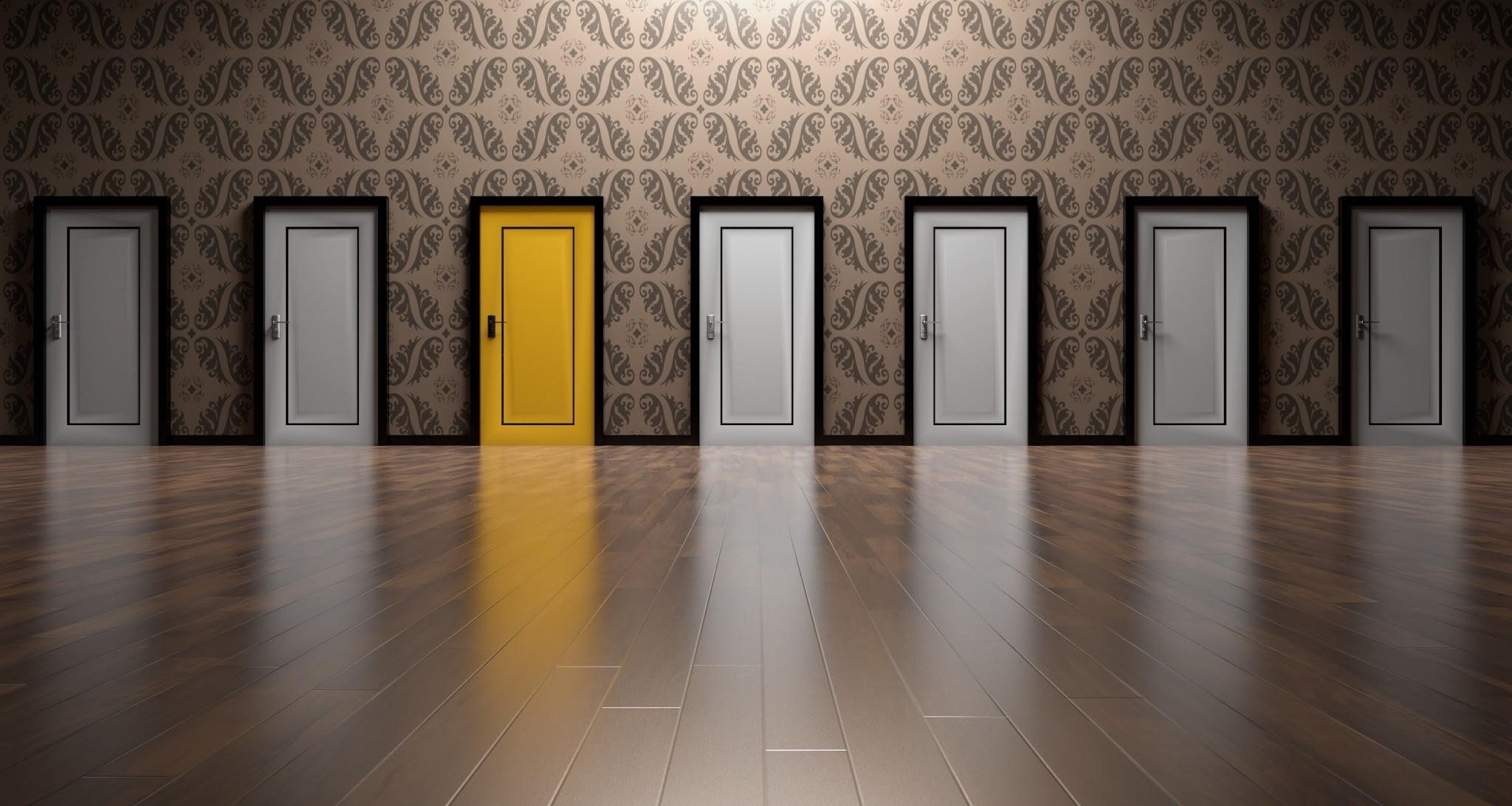
Escape rooms are one of the hottest party trends around—and the best part is you don't need a commercial venue to enjoy one. With a little planning, a good story and a few clever props, you can build a genuinely thrilling escape room right in your living room, basement or backyard.
Whether it's a birthday, a family game night or a team-building afternoon, a DIY escape room turns any gathering into an adventure. And when you pair the mystery-solving with a few crowd-pleasing rentals from Cool Games, your Montreal-area event goes from fun to unforgettable.
Quick Overview
A great home escape room comes down to a few key ingredients: a strong theme, a clear goal, a well-planned space, and a mix of puzzles (logic, physical and multi-step clues) tied together by a story. Add a time limit and a game master to guide the flow, test everything before the big day, and reward your winners. Do that, and your homemade room will rival many professional setups.
1. Choose a Theme
Your theme sets the tone for the puzzles, décor and overall story. Popular choices include:
- Mystery Mansion: Players become detectives investigating a murder.
- Treasure Hunt: Teams race to uncover hidden loot before time runs out.
- Time Travel: Players repair a broken time machine to get back to the present.
- Zombie Apocalypse: The team must find the cure before it's too late.
- Space Mission: Solve puzzles to fix the spaceship and return safely to Earth.
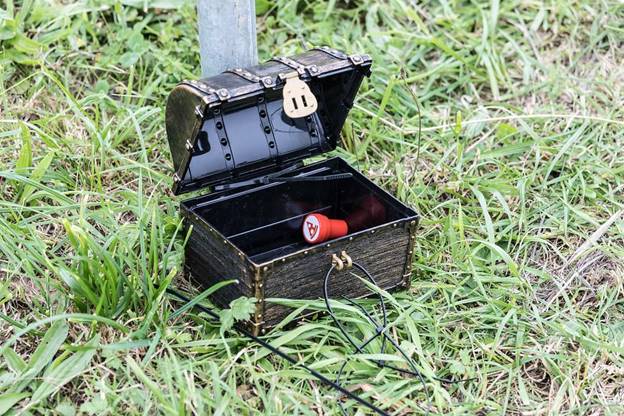
The more attention you pay to details, the more immersive the experience. Make sure every puzzle fits the storyline and the environment.
2. Define Your Goal
Every escape room needs one clear objective—unlock a final door, find hidden treasure, or crack a mystery. Write a short backstory to hook players and give them a reason to care.
"You're private detectives investigating the sudden death of a wealthy tycoon. You have 60 minutes before the killer returns—find the evidence before it's too late."
A clear goal keeps everyone focused and makes the final "we did it!" moment truly satisfying.
3. Plan the Space
Your escape room doesn't have to be a single room—use a whole floor, a basement or a backyard depending on your theme. To organize your space:
- Identify key zones: Dedicate areas to different puzzles or activities.
- Use furniture creatively: Hide clues in drawers, behind curtains or under tables.
- Control the lighting: Set a suspenseful mood without making it so dark players miss key items.
- Secure off-limits areas: Use tape, signs or barriers to mark spots that aren't part of the game.
Local tip: In Montreal's warmer months, a backyard escape room is a fantastic option—and it pairs perfectly with an inflatable rental nearby to keep younger siblings or restless guests entertained between rounds.
4. Design the Puzzles
Puzzles are the heart of every escape room. Aim for a mix of difficulty levels so everyone gets a chance to shine.
Logic Puzzles
Word problems, Sudoku-style number puzzles or pattern challenges that reward clear thinking. For example:
- "The key is hidden where the day of the week meets a colour of the rainbow." (Answer: a box labelled Sunday–Red.)
Physical Challenges
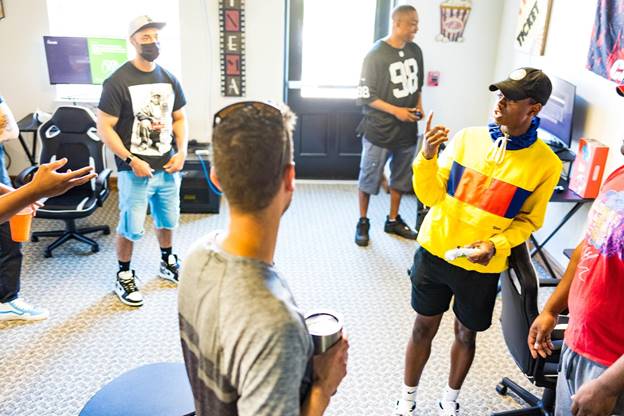
Tasks that get players moving, such as:
- Dialling the right combination on a wheel lock.
- Assembling a jigsaw whose pieces spell out a clue.
Hidden Clues
Tuck surprises in unexpected places:
- A note taped under a chair.
- A message written in invisible ink, revealed under UV light.
Interactive Props
Give ordinary objects a double life—a marble maze that spells out a word, or a mirror needed to read a backwards message.
Multistep Challenges
Chain clues together so one solution unlocks the next:
- Solve a riddle to find a map.
- Read the map to locate a key.
- Use the key to open a chest holding the final clue.
5. Assemble Props and Supplies
Props make your room feel real. Depending on your theme, gather:
- Locks and keys: Padlocks, combination locks and key safes add authenticity.
- Puzzles and riddles: Print or handcraft clues that fit your story.
- Decorations: Theme-appropriate items that transform the space.
- Special effects: LED lights, sound effects or a touch of fog for atmosphere.
6. Set Time Limits
A countdown creates urgency and excitement. Most home escape rooms run 45 to 60 minutes. Display a visible timer so players feel the pressure build as the clock ticks down.
7. Test the Room
Always do a trial run before the main event. Recruit friends or family to play through, then watch how they interact and adjust for:

- Difficulty: Puzzles should be challenging but solvable.
- Flow: Clues should follow a logical order.
- Pacing: Alternate tough puzzles with easier wins to keep energy high.
8. Prepare a Game Master
Every great escape room needs someone running the show. Your game master:
- Sets the scene and explains the rules.
- Offers hints when a team gets stuck.
- Keeps an eye on safety and protects the props.
Bonus points if they stay in character—it deepens the immersion and keeps the fun rolling.
9. Add Challenges and Twists
Keep players guessing with a few surprises:
- Red herrings: Clues that look important but lead nowhere.
- Hidden time extensions: Bonus minutes earned by completing a special task.
- Locked areas: New sections that open up as the game progresses.
These extras add depth and replay value.
10. Customize for Every Age
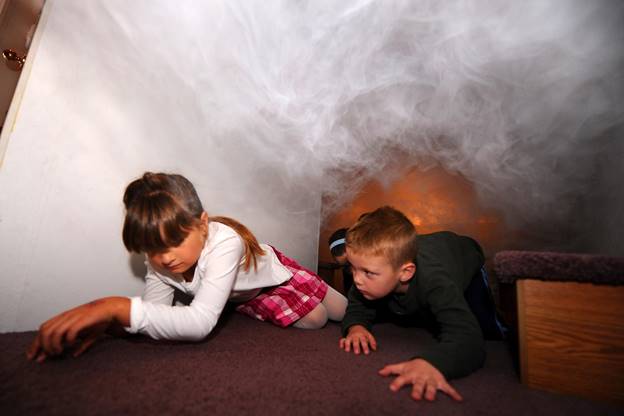
Tailor the difficulty to your crowd:
- Kids: Simpler puzzles, colourful visuals and playful props like treasure maps.
- Teens: More puzzle-solving and a slightly spookier vibe.
- Adults: Complex logic, layered themes and higher difficulty.
11. Create a Reward System
Celebrate the win with something memorable:
- Certificates of completion.
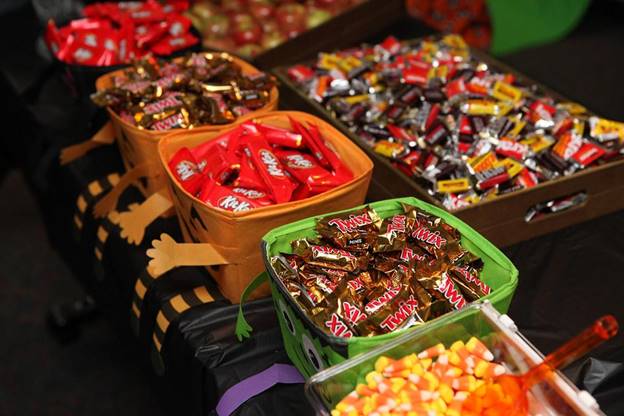
- Themed treats like mini treasure coins.
- A group victory photo, ready to share online.
12. Learn and Improve
Every escape room is a learning experience. Once the game wraps, ask players for feedback: Did the puzzles make sense? Was the challenge level right? Use their insights to make your next room even better.
Make It a Full-Day Adventure
An escape room is thrilling—but it's usually a shorter, small-group activity. For a birthday, block party or corporate event, you'll want more to keep a bigger crowd entertained before and after each session. That's where a little extra fun goes a long way:
- A bouncy castle or obstacle course to burn off energy between rounds.
- Carnival games that echo the puzzle-solving spirit for guests waiting their turn.
- A casino-party setup to keep an adult crowd engaged all evening.
- A water slide to cool everyone off after a summer backyard mystery.
Mixing a DIY escape room with a few professional-grade rentals gives every guest something to do—no matter their age or how the mystery ends.
Final Thoughts
Building an escape room at home is a wonderfully creative project. With enough time, imagination and planning, you can craft something just as gripping as the pros—whether it's for a birthday, a family night or a weekend adventure.
Planning an event in Montreal, Laval or the North/South Shore? Cool Games is here to round out your escape-room party with bouncy castles, inflatable and carnival games, water slides and more. Reach out for a friendly quote and let's make your next gathering an unforgettable one.
Frequently asked questions
How long should a DIY escape room at home last?
Most home escape rooms run about 45 to 60 minutes. A visible countdown timer adds urgency and makes the final win feel more rewarding.
What themes work best for a home escape room party?
Popular choices include a Mystery Mansion, Treasure Hunt, Time Travel, Zombie Apocalypse or Space Mission. Pick one theme and make sure every puzzle, prop and decoration ties back to its story for a more immersive experience.
How do I keep a big crowd entertained around a backyard escape room in Montreal?
Since escape rooms are usually short, small-group activities, add options for guests waiting their turn—like a bouncy castle, carnival games, a casino-party setup or a water slide for summer. Cool Games rents these and delivers and sets up across Montreal, Laval and the North/South Shore to round out your event.
What kinds of puzzles should I include in a DIY escape room?
Aim for a mix so everyone can contribute: logic puzzles like patterns or number challenges, physical tasks like combination locks, hidden clues tucked in unexpected spots, interactive props, and multi-step chains where one solution unlocks the next. Alternating tough puzzles with easier wins keeps energy high.