DIY Escape Room at Home: Build an Adventure Party in Montreal
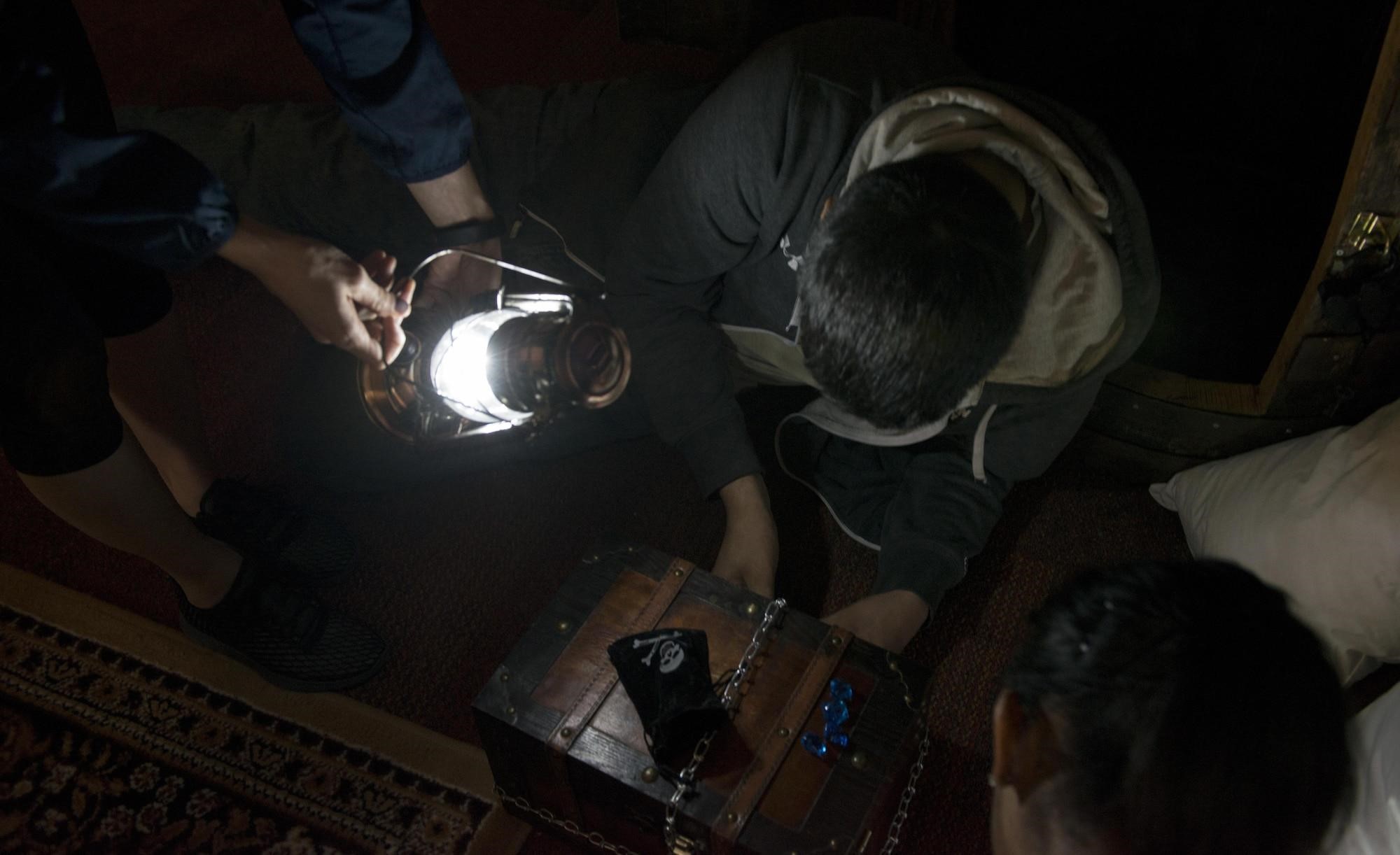
DIY Escape Room: Transform Your Home into an Adventure
Looking for a party idea that's clever, memorable and easy on the budget? A DIY escape room turns your living room or basement into a mystery your guests will talk about for weeks. It rewards problem-solving, teamwork and creativity — and best of all, you can build the whole thing from bits and pieces you already have at home.
Whether you're planning a birthday, a rainy Saturday afternoon in Montreal, or a school break activity, this guide walks you through choosing a theme, designing puzzles and hosting the big reveal. And if you want to pair the brainpower with pure play, we'll show you a fun way to combine it all.
What Is an Escape Room, Exactly?
An escape room is a real-life game in which players are "locked" in a space and must work their way out by solving puzzles, riddles and trivia within a time limit. It mixes mystery, adventure and a healthy dose of teamwork.
A DIY home escape room works just like a commercial one — only the rules on space and difficulty are much more flexible, which makes it perfect for kids, teens and adults alike.
Why Build a DIY Escape Room?
- Fully customizable: Choose the puzzle types, theme and difficulty so every guest has a great time.
- Cost-effective: Most of what you need is already around the house — locks, boxes, paper, markers.
- Team building: It naturally encourages coordination and communication, ideal for family and friends.
- Creative and fun: Designing the plot and challenges is almost as enjoyable as playing them.
How to Build a DIY Escape Room in 6 Steps
Step 1: Choose Your Theme
Your theme sets the tone for the entire experience and often separates an average escape room from a great one. A few crowd-pleasers:
- Mystery/Detective: Solve a crime or uncover a hidden secret.
- Science Fiction: Escape a spaceship or a barren alien world.
- Horror: Get out of a haunted house or an eerie lab.
- Adventure: Find the treasure or survive the jungle.
- Fantasy: Break the spell in a magical kingdom or wizard's lair.
Match the theme to your audience. For younger kids, a treasure hunt or fairy tale works beautifully. For teens and adults, lean into detailed storylines like spy missions or whodunit thrillers.
Step 2: Set Up the Space
Once you have a theme, pick your location. Most home escape rooms use just one or two rooms — the living room or basement is perfect — but you can spread across the house for a more complex journey.
Keep these practical points in mind:
- Enough lighting so clues are findable
- Good ventilation so the space stays comfortable
- Smart placement of furniture and props
- Plenty of hiding spots: boxes, curtains, closets and drawers
Step 3: Design the Puzzles
Puzzles are the heart of any escape room, and building them takes two ingredients: imagination and logic. Every puzzle should connect back to your story.
1. Locks and Keys
- Combination locks: Hide a lock and write riddles that reveal the code.
- Padlocks: Scatter physical keys around the room for players to hunt down.
2. Word Puzzles and Ciphers
- Anagrams: Hide letter tiles that spell a word when assembled.
- Crosswords: Design one where the filled-in answers reveal a secret code.
3. Physical Puzzles
- Jigsaw puzzles: Completing the image reveals a key or a map.
- Maze puzzles: The correct path spells out a combination.
4. Clue-Hunting
- Hidden objects: Keys, cards or puzzle pieces stashed around the room.
- Invisible ink: Write messages that only appear under a UV lamp.
Step 4: Write a Story
Puzzles alone aren't enough — a great escape room needs a plot that pulls players in. Say your theme is a spy mission: the narrative might be "retrieve the stolen secrets before the enemy agent escapes." As players crack each puzzle, they unlock a new piece of the story, and that suspense keeps everyone hooked.
Tie every puzzle to a plot point (finding a hidden diary to solve a riddle, for example), and set a time limit — 60 minutes is the classic standard, but adjust to fit your crowd.
Step 5: Test It Yourself
Before inviting anyone, run the whole thing yourself or have a friend try it. This is where you'll catch puzzles that are too hard, clues that are unclear or props that don't cooperate. Fixing issues in advance keeps game day smooth.
Step 6: Host and Organize the Game
When everything's ready, welcome your players and explain the concept, the rules, the time limit and the goal. Stay nearby to offer a hint or clarify a tricky clue — a good host makes all the difference.
Tips for Hosting a Great DIY Escape Room
- Offer hints: Build in a system so players can request a clue after, say, 10 minutes of being stuck.
- Keep track of time: A visible timer adds excitement and urgency.
- Celebrate success: A small prize or treat is a perfect finish.
Level Up the Party: Brains and Bounce
Here's a Cool Games favourite trick for birthdays and family gatherings across Montreal, Laval and the South and North Shores: pair the mental challenge of an escape room with the pure physical fun of inflatables.
After the last lock clicks open and everyone "escapes," send the winners straight into a bouncy castle, an inflatable obstacle course, or — in summer — a water slide in the backyard. Younger kids burn off their post-victory energy, and adults get a laugh out of it too. You can even weave a rented inflatable into the story itself: "cross the obstacle course to reach the vault," or theme it around an adventure or spy mission for a full-day event.
For carnival-style parties, our carnival games make brilliant "reward stations," and for grown-up gatherings, our casino-party equipment turns the celebration into a whole evening of themed fun. Combining a homemade escape room with a professional rental gives you the best of both worlds — clever indoor play and big, joyful, physical fun outdoors.
Ready to turn your next event into an unforgettable adventure? Reach out to Cool Games for a free quote and let's find the perfect inflatable to complete your party.
Frequently asked questions
How do I build a DIY escape room at home for a birthday party?
Pick a theme that suits your guests, set up one or two rooms with good lighting and hiding spots, then design puzzles (locks, ciphers, hidden clues) tied to a story with a time limit. Test the whole thing yourself first, then host it by explaining the rules and staying nearby to offer hints.
What are good escape room themes for kids versus teens and adults?
For younger kids, a treasure hunt or fairy tale works beautifully, while teens and adults enjoy detailed storylines like spy missions or whodunit thrillers. Match the theme to your audience so every guest has a great time.
How can I combine a DIY escape room with inflatable games at my Montreal party?
A popular idea is to send the winners straight into a bouncy castle, obstacle course, or summer water slide once they "escape," or even weave the inflatable into the plot, such as "cross the obstacle course to reach the vault." Cool Games rents and sets up inflatables, carnival games, and casino-party equipment across Montreal, Laval, and the South and North Shores to complete the event.
How long should a home escape room last?
Sixty minutes is the classic standard time limit, but you can adjust it to fit your crowd and puzzle difficulty. A visible timer adds excitement, and building in a hint system for players stuck too long keeps things fun.