


5 Common Padel Mistakes Beginners Make (And How to Fix Them)


TL;DR
Beginners in padel often struggle with improper serves, awkward court positioning, overly aggressive shots, ignoring walls, or poor teamwork. Improve your game by practicing smooth underhand serves, positioning strategically near the net, prioritizing control over power, leveraging walls for returns, and communicating constantly with your partner.
A $40-$80 racket and $20-$40 court rental get you started. Watch YouTube drills, join local clinics, and use apps like Playtomic to find courts. These fixes transform mistakes into strengths, making padel more enjoyable in 2026.
5 Common Padel Mistakes Beginners Make (And How to Fix Them)
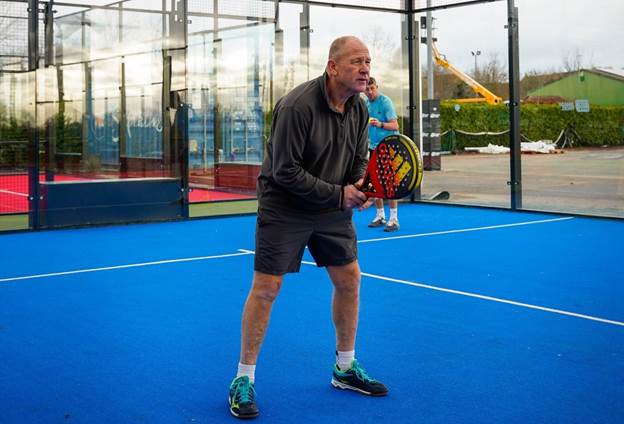
Padel’s popularity is soaring in 2026, with courts alive with the sound of balls bouncing off glass walls and players cheering each other on. This dynamic sport, blending elements of tennis and squash, draws beginners with its accessible rules and social vibe. However, new players often stumble over basic errors that can frustrate their early games. These slip-ups are common, but they’re also fixable with straightforward adjustments.
This guide explores five frequent mistakes beginners make and provides clear, practical solutions to correct them. No advanced skills are needed, just a willingness to learn and a racket in hand.
Padel’s compact courts and forgiving walls make it easier for beginners to pick up than many sports. The doubles format encourages teamwork, and the rules are simple enough for anyone to grasp quickly. Yet, small mistakes like serving incorrectly or standing in the wrong spot can disrupt the flow of a game.
By addressing these early, players build confidence and enjoy longer, more exciting rallies. Whether you’re a teen, parent, or grandparent, these fixes work for all ages, setting you up to thrive in padel’s vibrant 2026 scene.
Mistake 1: Serving Incorrectly
Many beginners struggle with their serves, which sets a shaky tone for the point. Padel requires underhand serves delivered below the hip, but new players often swing overhand, mimicking tennis, or hit too hard, sending the ball into the net or out of bounds.
Others forget to aim diagonally across the court or fail to land the ball in the opponent’s service box, resulting in faults that hand points to the other team.
Fix It: Focus on mastering a smooth underhand serve to start points effectively. Begin by bouncing the ball once, then swing gently with a relaxed wrist to land it in the opponent’s diagonal service box. Aim for the back glass wall to complicate their return. Spend 10 minutes daily practicing serves in an open space like a driveway, focusing on consistent placement rather than power.
YouTube channels like Padel Academy offer tutorials showing wrist flicks for added spin. Stand just behind the service line with knees slightly bent for balance. With practice, a solid serve becomes a reliable weapon, giving your team an edge.
Mistake 2: Positioning Poorly on the Court
Newcomers often stand in the wrong spots, disrupting the flow of the game. Some crowd the net too closely, making it easy for opponents to lob balls over their heads. Others linger near the baseline, missing opportunities to control points.
Poor positioning leaves gaps on the court, allowing opponents to exploit open spaces with angled shots or high lobs. Beginners may also hesitate, unsure of where to move, which slows their reactions.
Fix It: Coordinate positioning with your partner to cover the court effectively. In doubles, one player should stay about two steps from the net when their team is attacking, ready to volley after the ball bounces.
The other player covers the backcourt to handle deep shots or lobs. Move together fluidly, adjusting based on the ball’s path, much like a dance. Practice quick side-to-side steps in a park to build agility, and watch World Padel Tour streams to observe how pros shift as a unit. Call out “mine” or “yours” to avoid collisions. Clear communication and smart positioning close gaps and strengthen your defense.
Mistake 3: Hitting Shots Too Aggressively
Beginners often swing with too much force, aiming for dramatic smashes. These powerful shots frequently fly out of bounds or crash into the net, ending rallies quickly and frustrating teammates. New players may think hard hits look impressive, but in padel, strategy trumps strength, especially in doubles, where precision keeps the ball in play.
Fix It: Prioritize control over power to build longer rallies. Focus on soft, accurate shots that land in the court’s center or near the opponent’s back wall, forcing them to work harder.
Practice with a friend, aiming to bounce the ball 10 times in a row using a light touch to develop consistency. Apps like PadelCoach provide drills for controlled hits, and clips of pros like Marta Ortega show how precise placement beats wild swings.
By focusing on steady shots, you’ll keep opponents on their toes and make games more fun for everyone.
Mistake 4: Ignoring the Court’s Walls
Padel’s glass walls are a unique feature, but beginners often overlook them. Some panic when the ball rebounds off a wall, rushing their shots or missing returns entirely. Others play as if the walls don’t exist, treating padel like tennis and losing the advantage of wall bounces. This leads to shorter rallies and missed opportunities to keep the ball in play.
Fix It: Embrace the walls as a tool to extend rallies. Allow the ball to bounce off the glass before hitting it, giving you extra time to react. Aim your shots to hit the opponent’s back wall, making their returns tougher. Stand about a step from the wall to catch rebounds comfortably, and practice by tossing a ball against a garage wall, hitting after the bounce.
YouTube’s Padel School offers wall-specific drills, like handling high rebounds. Using walls effectively turns shaky shots into clever plays, boosting your confidence on the court.
Mistake 5: Neglecting Teamwork
Padel thrives on doubles, but beginners often play like they’re alone. Some hog the ball, ignoring their partner, while others fail to communicate, leading to collisions or missed shots. Without teamwork, points slip away, and opponents with better coordination gain the upper hand.
Fix It: Treat your partner as an equal part of the game. Communicate constantly by calling “mine” or “yours” to claim shots clearly. Discuss strategy between points, deciding who handles lobs or smashes. Move in sync: if one player advances to the net, the other covers the back. Practice passing drills with a friend to build trust, focusing on sharing the ball.
Watch pro pairs like Lebrón and Galán on World Padel Tour to see seamless teamwork in action. A quick chat over coffee after games can refine your strategy. Strong teamwork transforms chaotic plays into winning rallies.
Why These Fixes Are Game-Changers
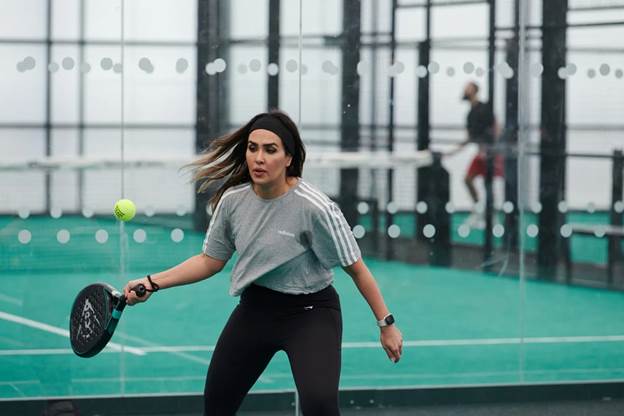
These solutions target the core skills of padel: serving, positioning, shot control, wall play, and teamwork. They address the most common frustrations for beginners, turning sloppy games into exciting matches. Padel’s compact court and forgiving walls make these fixes easy to apply, even for kids or seniors.
Consistent practice builds muscle memory, while clinics and videos accelerate learning. In 2026, resources like apps and local clubs make improving accessible. Applying these tips leads to longer rallies, more points, and a lot more fun.
Extra Tips to Boost Your Game
Dedicate 10 minutes daily to practicing basics. Work on serves in a driveway or wall shots against a fence. Join a weekly clinic, often $10 or free, to get coaching. Use apps like Playtomic to book courts and find beginner groups.
Watch one pro match weekly on YouTube to pick up new moves, like spin serves. Track your progress by counting rally lengths, aiming for 10 hits within a month. These small efforts yield big improvements.
Traps to Steer Clear Of
Avoid buying a $150 racket; $40-$80 models are plenty for beginners. Don’t wear shoes without grip, as they slip on courts. Skip warm-ups at your peril; five minutes of stretches prevent injuries. Don’t play solo early on, since doubles teach faster. Avoid overcomplicating shots; simple hits work best. These mistakes waste time and energy, so focus on the essentials.
A Beginner’s Turnaround Tale
Last fall, a new player joined a padel clinic at a local club. Their overhand serves kept hitting the net, and they stood too far back, missing easy shots. After watching Padel Academy videos, they practiced underhand serves for 10 minutes daily. A coach showed them how to position near the net and use walls for returns.
They started calling shots with their partner, avoiding collisions. Two weeks later, they won a 6-4 match, laughing through every point. A $50 racket and $10 court fee got them going. Now they’re regulars, sharing #PadelJourney posts on X.
Padel’s 2026 Momentum
Padel is booming. Over 30 million players globally in 2024, with Spain leading at 20,000 courts. North America expects 600 new courts in 2026. Local tournaments, from 8-team events to pro circuits, draw crowds. World Padel Tour streams inspire beginners.
Brands like Bullpadel offer $30 kids’ rackets. Apps like PadelMates connect players. Eco-courts, built with recycled materials, keep rentals affordable. Women’s and mixed leagues are expanding fast. Check X for #Padel2026 to find local games and tips.
Finding Courts and Communities
Search “padel near me” on Google or X to locate courts. Clubs, gyms, or parks charge $20-$40 per hour, split four ways. Indoor courts work in bad weather; outdoor ones feel lively. Playtomic or PadelMates apps book slots and match players. Local Facebook groups or #CityNamePadel posts share court deals. Free clinics, common at clubs, offer coaching. Show up, and you’ll quickly find a padel community.
Resources for Quick Improvement
Check padelfip.com for official rules. YouTube’s Padel Training provides free drills on serves and wall shots. Follow World Padel Tour for pro match insights. PadelCoach app tracks your progress. Local sports shops offer gear advice; ask for beginner deals. X posts with #PadelTips share player hacks. These resources make fixing mistakes straightforward and engaging.
Final Thoughts
Padel in 2026 is a thrilling sport for beginners, but small mistakes can hold you back. Correct weak serves, poor positioning, aggressive shots, ignored walls, and lack of teamwork with simple, practical fixes. Practice smooth serves, move strategically, hit with control, use walls wisely, and communicate with your partner. A $40 racket and a local court get you started. Clinics, apps, and videos make improvement easy. Embrace these tips, hit the court, and enjoy padel’s electric vibe.