


How to Organize Your Own Padel Tournament


To successfully organize a padel tournament, promote it on social media and local clubs. Arrange referees, scoreboards, and simple prizes like medals or gift cards. Make sure to keep players hydrated with water stations.
Add music and food trucks for spectators, and budget around $500-$2000 for rentals and supplies. Check the padel rules online and test schedules in advance. A well-run event brings players back and grows the sport’s buzz.
How to Organize Your Own Padel Tournament
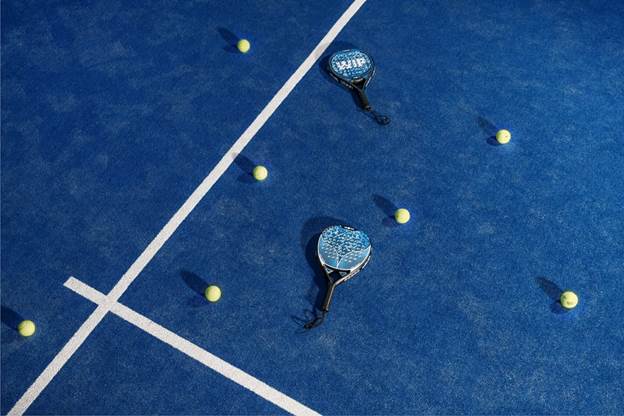
Padel is exploding right now. This mix of tennis and squash draws crowds with its fast-paced rallies and social atmosphere. Organizing a tournament feels daunting, but it breaks down into clear steps. Picture players smashing shots on a glass-walled court, friends cheering, and kids munching snacks nearby.
A good event sparks joy and builds community. In 2026, with padel courts popping up everywhere, anyone can pull this off. No need for pro-level skills, just a love for the game and some planning.
This guide covers picking a venue, setting rules, spreading the word, and making the day fun. It’s all about creating a tournament that players talk about for weeks.
Padel’s appeal lies in its accessibility. Courts are smaller than tennis courts. Games move fast, keeping everyone engaged. Families show up, not just athletes. Tournaments can be casual backyard bashes or competitive showdowns. Budget stays low, often $500 to $2000 for a small event.
Local clubs and online tools make logistics easy. The key is keeping things organized but relaxed. Players want clear schedules and cold drinks. Spectators love music and a good view. Nail these, and the event feels like a party.
Step 1: Choose a Venue and Date
Start with the courts. Padel needs specific enclosed courts, usually 10 by 20 meters with glass walls. Check local sports clubs or community centers. Many cities have padel facilities now, so make sure to book at least two courts for a small tournament to keep matches flowing.
Four courts work better for 16 teams or more. Expect $50 to $100 per court per day. Outdoor courts save money but need a rain plan. Indoor ones cost more but guarantee play.
Pick a date that avoids big holidays or local events. Weekends draw crowds. Summer or spring in 2026, like May or September, offers good weather. Aim for a Saturday to get the max turnout. Confirm court availability early, ideally two months out. Visit the venue beforehand. Check for parking, restrooms, and space for spectators. A nearby cafe or food truck spot is a bonus. Ensure courts have nets and lighting for evening games.
Step 2: Set the Tournament Format
Decide how teams compete and set tournament rules. Padel is usually doubles, with pairs facing off. Popular formats include round-robin, where everyone plays everyone, or knockout, where losers are out. Round-robin suits smaller groups, ensuring more games. Knockout is faster for big crowds.
A 16-team knockout takes about six hours with two courts. Plan 20-minute matches for early rounds, 30 for finals. Add 10-minute breaks between games.
Set clear divisions. Separate beginners, intermediates, and pros if player skill varies. Mixed or family divisions add fun for casual events. Limit teams to 8, 16, or 32 for smooth brackets. Use free online tools like Challonge to create schedules.
Print brackets for players to check. Decide on scoring: best-of-three sets with six games per set is standard. Tiebreaks at 6-6 keep things quick. Post rules on a board or email them early.
Step 3: Spread the Word
Promotion pulls players. Start six weeks out. Post on social media like Instagram or X with bright photos of padel action. Use local hashtags like #Padel2026 or #CityNamePadel. Share fliers at gyms, cafes, or schools. Reach out to padel clubs or meetup groups.
Create a simple sign-up form on Google Forms. Ask for names, skill levels, and contact info. Charge a small entry fee, like $20 per team, to cover costs. Cap registration to match court space.
Spread excitement with updates and share court photos or prize teasers. Invite local players to bring friends. Encourage spectators by promising food or music.
A quick post like “Smash shots and grab tacos at our padel tourney!” hooks interest. Track sign-ups to avoid overbooking. Confirm teams a week before. Send reminders with parking and arrival details.
Step 4: Organize Equipment and Staff
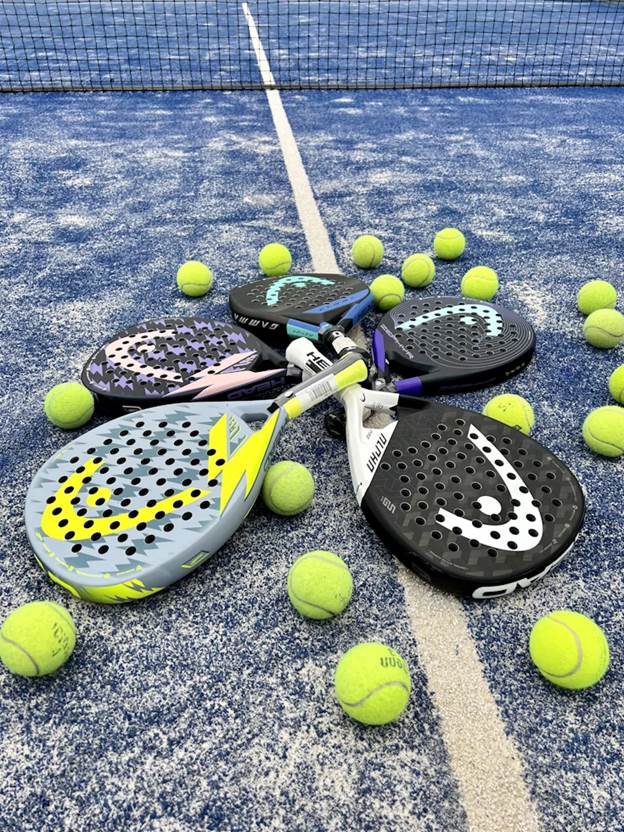
Padel needs minimal gear, but don’t skip details. Courts should have nets and scoreboards. Rent extras if needed. Stock balls; padel ones are softer than tennis balls.
\Players usually bring rackets, but have spares for rentals. Set up a check-in table with name tags and schedules.
Recruit helpers. Two referees per court keep things fair. Ask local players or coaches to volunteer. Train them on basic rules like serving underhand or no-volley zones.
Assign one person to manage scores and brackets. Another can handle water stations or snacks. Keep a first-aid kit handy for minor bumps. A megaphone helps call matches. Borrow or rent one for $20.
Step 5: Plan Prizes and Extras
Prizes spark motivation. Keep it simple: medals or trophies for the top three teams, about $50 total. Add gift cards from local shops, like $25 for coffee or sports gear. For fun, give “best team spirit” awards for loudest cheers. Include kids with small prizes like stickers.
Make the day lively. Play upbeat music through a portable speaker. Set up a food truck or snack table with chips and drinks.
Add seating, like folding chairs or picnic tables, for spectators. A shaded tent for $50 rental keeps everyone cool. If the budget allows, hire a photographer for action shots. Share them online to boost next year’s turnout.
Step 6: Run the Tournament Smoothly
On the day, start early. Arrive two hours before to set up. Check courts, nets, and scoreboards. Greet players at check-in. Hand out schedules and rules. Start matches on time. Use a timer to keep rounds tight. Announce upcoming games to keep players ready. Have referees watch for faults like illegal serves.
Keep energy high. Play music during breaks. Cheer loudly to hype the crowd. Offer water and snacks between matches. Handle disputes calmly; stick to posted rules. Wrap up with a quick award ceremony. Thank players and spectators. Share a social media post with the winners’ names.
Step 7: Follow Up and Improve
After the event, gather feedback. Ask players what worked or didn’t. Use a Google Form or chat at the event. Check costs to stay within budget. Note any hiccups, like long waits or missing gear. Share highlights online to keep the buzz going. Plan tweaks for next time, like more courts or shorter matches.
Things to Avoid
Don’t overbook courts. Too many teams cause delays. Avoid unclear rules; post them everywhere. Skip fancy gear to save money. Don’t ignore the weather; have a backup plan. Avoid long speeches at the ceremony. Keep it quick and fun.
Final Thoughts
Running a padel tournament is about connection. Players bond over rallies. Families cheer from the sidelines. A few steps—venue, format, promotion—make it happen. Keep it simple, focus on fun, and watch the community grow. Pick a date, grab a court, and start planning. The court’s waiting.